29 Nov Dravet Syndrome Means more than Seizures, New Research Warns
Dravet Syndrome, a rare epilepsy disorder, hides deeper challenges, and families are paying the huge price.
A groundbreaking study in Epilepsy & Behavior acknowledges that Dravet Syndrome is not just about seizures. The prolonged, drug-resistant epileptic episodes remain the most visible hallmark, but researchers stress that the “unseen” dimensions – developmental delays, behavioral struggles and the heavy toll on families – are equally devastating.
The research validates what families and advocates have long said: Dravet Syndrome is a complex condition that demands more than seizure control. Recognizing the hidden challenges is essential for shaping better healthcare policies, inclusive education, and stronger support systems across Europe.
What the study shows:
- Seizures are only the beginning: Children face lifelong cognitive and communication difficulties, and the problem only intensifies in adulthood
- Families under pressure: Caregivers juggle medical crises with emotional, educational and social burdens
- Call for action: Experts urge a multidisciplinary approach, combining neurology, psychology, therapy, and education.
The authors argue that treatment strategies must evolve to include not only seizure control but also interventions that support cognitive development, behavioral management and family well-being. Without such holistic approaches, patients risk being defined solely by their epilepsy, while their wider needs remain unmet.
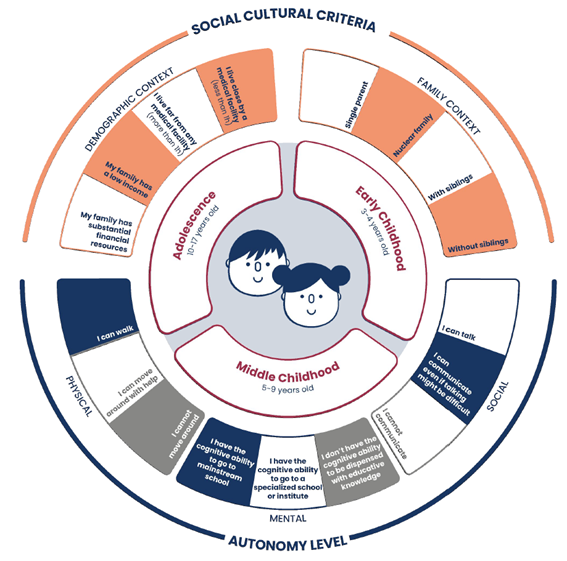
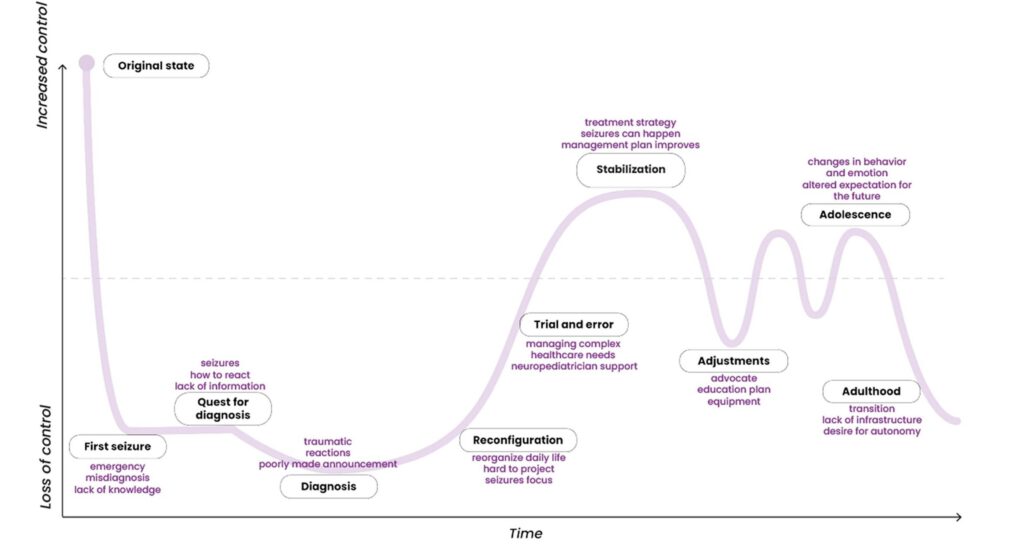
The data confirm previous research highlighting the challenges faced by families of children with Dravet Syndrome, including financial pressures, the time commitments of healthcare visits, and the impact of these visits and other aspects of care on their availability to work (mostly for mothers). They also reinforced previous findings on the effects on caregivers’ psychological and emotional wellbeing, including fears for the future, stress, depression and anxiety, social isolation and stigma, and feeling inadequately supported by healthcare and social systems. The findings also demonstrated that the magnitude and impact of these challenges wax and wane over time as families move through the emotional trajectory of Dravet Syndrome.
Having a child with Dravet Syndrome puts pressure on relationships and negatively impacts the lives of their siblings. Many parents struggle to manage behavioral problems in their children, and sleep is often disturbed, contributing to parental fatigue.
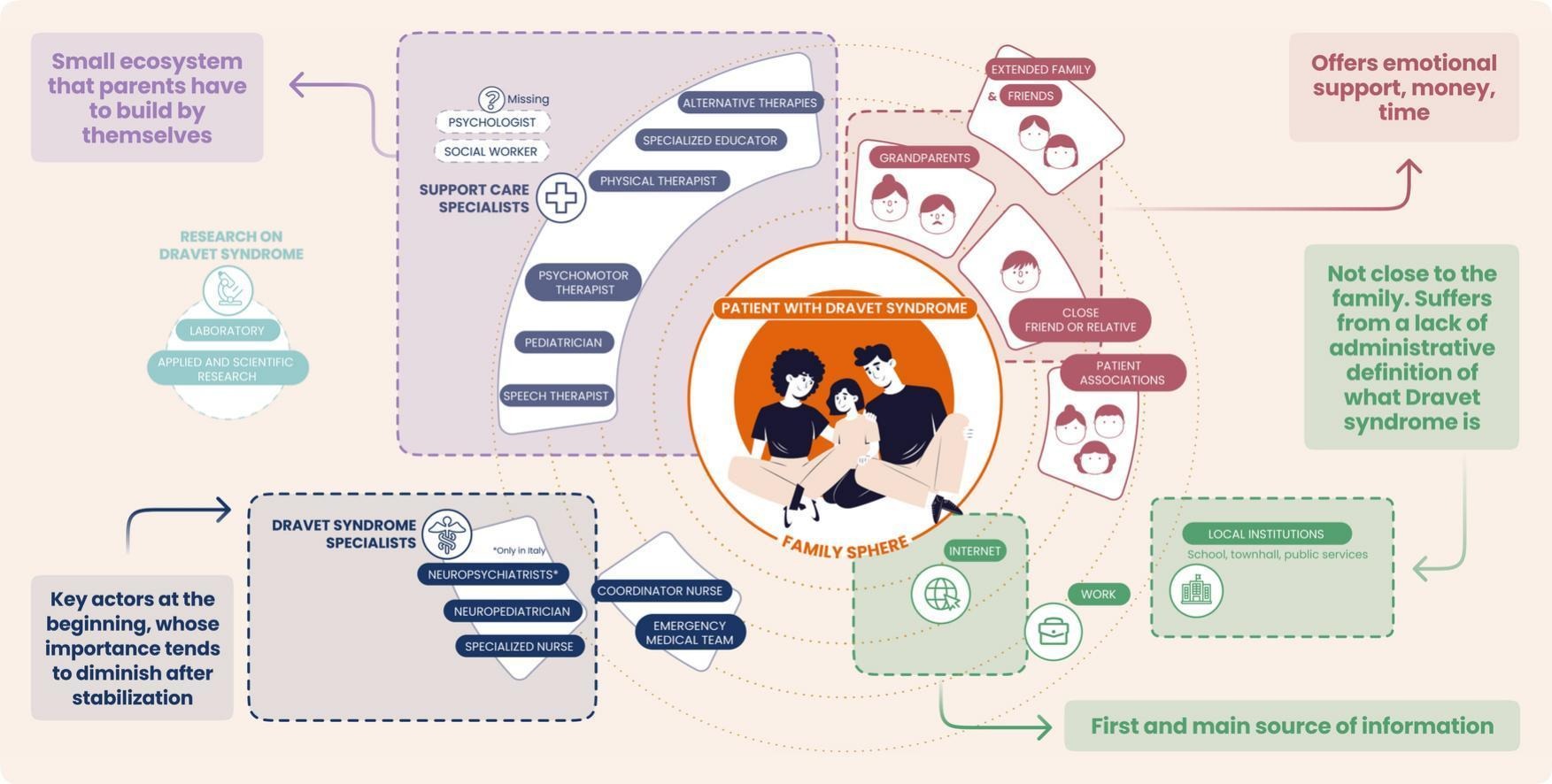
Researchers note that this is the first study to use participatory methodology including parents, healthcare professionals and patient associations to gain insights into the wider ecosystem of the disease. Previous studies into the impact of Dravet Syndrome have used semi-structured interviews to gain qualitative information, but have not been so broad in scope.
For the Dravet Syndrome European Federation, the message is clear: policy and research must address both the visible and invisible aspects of the syndrome. Raising awareness of these hidden burdens is essential to securing better resources, inclusive education and comprehensive healthcare pathways.